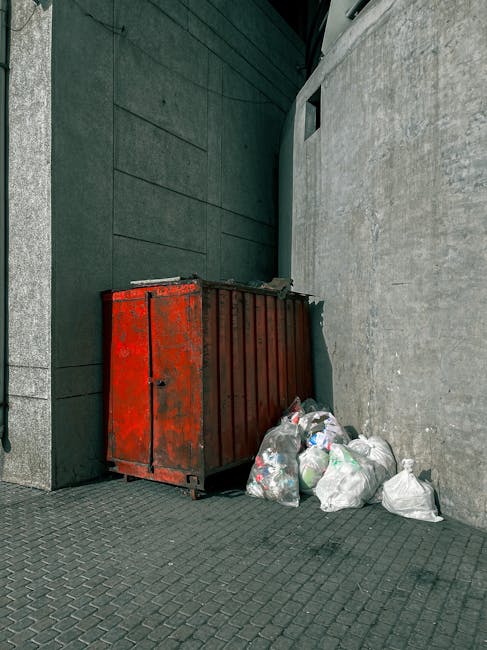
Belgravia rubbish removal near Eaton Square SW1X
If you are dealing with unwanted clutter, bulky furniture, builders' debris, or a flat that needs clearing near Eaton Square, the job can feel more complicated than it should. Belgravia rubbish removal near Eaton Square SW1X is not just about getting rid of waste quickly; it is about doing it neatly, safely, and with as little disruption as possible in a very busy, very polished part of London. In an area where access can be tight, timing matters, and neighbours notice everything, the right approach saves time, stress, and frankly a few headaches too.
This guide explains how rubbish removal in Belgravia typically works, what to expect, when it makes sense, and how to avoid the common mistakes that turn a simple clearance into a messy day. You will also find a practical checklist, a comparison table, and useful internal resources if you want to look at related services such as waste removal, flat clearance, or furniture disposal.
Table of Contents
- Why Belgravia rubbish removal near Eaton Square SW1X Matters
- How Belgravia rubbish removal near Eaton Square SW1X Works
- Key Benefits and Practical Advantages
- Who This Is For and When It Makes Sense
- Step-by-Step Guidance
- Expert Tips for Better Results
- Common Mistakes to Avoid
- Tools, Resources and Recommendations
- Law, Compliance, Standards, or Best Practice
- Options, Methods, or Comparison Table
- Case Study or Real-World Example
- Practical Checklist
- Conclusion
- Frequently Asked Questions
Why Belgravia rubbish removal near Eaton Square SW1X Matters
Belgravia is one of those places where the location itself shapes the clearance job. Eaton Square and the streets around it often involve apartment buildings, managed properties, narrow service access, parking restrictions, and shared entrances. That changes the game. You cannot always just wheel everything out and hope for the best.
Rubbish removal matters here because waste can create immediate friction: blocked hallways, unpleasant smells, trip hazards, and complaints from neighbours or building management. If you are clearing a home, a rental property, an office, or renovation waste, speed is only one part of the picture. Tidiness, timing, and proper handling are just as important.
There is also a presentation element. Let's face it, nobody wants a pile of broken shelving, bagged waste, or old upholstery sitting outside a Belgravia property for long. In a premium residential area, the standard is usually high, and clearance should match that standard. A well-run collection feels almost invisible: in, out, swept through, done.
For larger domestic or property-cleanout jobs, it can help to think in terms of the type of clearance needed rather than just "rubbish removal". For example, a loft full of mixed items may be more suited to loft clearance, while end-of-tenancy clutter in a serviced apartment may fit a house clearance or home clearance approach.
How Belgravia rubbish removal near Eaton Square SW1X Works
Most rubbish removal jobs follow a straightforward pattern, although in Belgravia the logistics can be a bit more exacting. The process usually starts with a description of what needs clearing, followed by an estimate based on volume, access, labour, and the type of waste involved. Some jobs are simple enough to quote from photos; others need a closer look if there are heavy items, mixed waste, or difficult access.
On the day, the team usually arrives with the right vehicle and lifting equipment, then loads the waste safely. Good operators do not just throw everything in together. They separate reusable items, recyclable materials, and general waste where practical. That helps the job run more efficiently and supports better disposal outcomes.
For some tasks, especially those involving offices or trades work, the right service may be more specific. A small refurbishment might need builders waste clearance, while a workspace refresh could point toward office clearance or business waste removal. Choosing the right service category matters because it affects staffing, timing, and how items are sorted.
One thing people often miss: access planning can save a surprising amount of time. If lift access is restricted, if there is a courtyard to cross, or if loading must happen from a side street, mention that early. It sounds obvious, but in practice it often gets overlooked until someone is standing outside with a sofa and a parking problem. Not ideal.
Key Benefits and Practical Advantages
The biggest benefit of professional rubbish removal is simplicity. You avoid multiple car trips, awkward lifting, and the usual end-of-day realisation that the rubbish bags are still sitting in the hall. In a busy area like SW1X, that convenience is worth a lot.
Here are the practical advantages that matter most:
- Faster turnaround: Useful when you are preparing a flat for sale, letting, renovation, or handover.
- Less physical strain: Heavy lifting is handled by people used to bulky, awkward items.
- Cleaner finish: A proper clearance should leave the space swept and usable, not half-finished.
- Better sorting: Reusable and recyclable materials can be separated more sensibly than in a rushed DIY job.
- Less disruption: Especially helpful in mansion blocks, concierge-managed buildings, and shared entrances.
There is also peace of mind. If you are dealing with mixed waste, old appliances, or items that may need special handling, it is reassuring to know someone else is responsible for the haul-away and disposal route. That alone can take a load off your shoulders.
For furniture-heavy jobs, it may be more efficient to book a specialist option such as furniture clearance or furniture disposal. A sofa, wardrobe, bed frame, or office desk is not just "rubbish"; it is often better managed as a specific item stream.
Expert summary: In Belgravia, the best rubbish removal service is usually the one that combines careful access planning, punctual arrival, sensible sorting, and minimal disruption to the building. Speed matters, yes, but neat execution matters more.
Who This Is For and When It Makes Sense
Belgravia rubbish removal near Eaton Square SW1X suits a wide mix of people. If your place is full of unwanted items and you want a clean outcome without a weekend lost to bin bags and van runs, you are probably in the right place.
It is especially useful for:
- Homeowners clearing accumulated clutter
- Tenants moving out of a flat with leftover items
- Landlords turning over a property between occupants
- Letting agents arranging a fast reset before viewings
- Offices removing redundant furniture or archive waste
- Tradespeople needing post-worksite clearance
- People handling a bereavement or major life change who need the process kept simple
Sometimes the decision is obvious. A garage overflowing with broken storage, old luggage, and random boxes? Yes, rubbish removal helps. A flat with a few bags and a chair? Maybe you could manage it yourself, but perhaps not worth the faff, especially if parking is awkward.
For domestic properties with multiple spaces to sort through, the right service may be broader than standard waste collection. A garage clearance, garden clearance, or house clearance can be a smarter fit than trying to book everything as loose rubbish.
Step-by-Step Guidance
If you want the smoothest possible experience, the process helps when you prepare a little before the team arrives. Nothing dramatic. Just a bit of organisation and clear communication.
- Identify what needs removing. Separate furniture, general waste, recyclables, and anything that may need special handling.
- Check access details. Think about stairs, lifts, loading bays, concierge rules, and the easiest route out of the property.
- Take quick photos. A few clear images of the items and the room often help with more accurate pricing.
- Flag any awkward items. Large mirrors, heavy wardrobes, broken glass, and waterlogged materials need extra care.
- Confirm the timing. In Belgravia, timing matters. Building rules and neighbourhood sensitivity can shape the best slot.
- Prepare the space. Move smaller valuables, clear a pathway, and make sure access is not blocked by parked bikes, luggage, or deliveries.
- Ask how the waste will be handled. You do not need a dissertation, just a clear explanation of sorting, loading, and disposal.
- After collection, check the finish. A good team should leave the area reasonably tidy. Not spotless to surgical standards, but tidy. You know what I mean.
A small practical tip: if your property has a strict concierge or management team, tell them early. The difference between a smooth collection and a frustrating one is often a simple building instruction email. Really.
Expert Tips for Better Results
After enough clearances, a few patterns become obvious. The best jobs are not necessarily the smallest ones; they are the best prepared ones. A little planning can shave off delays and reduce cost pressure.
Be precise about the waste mix
Mixed waste is manageable, but if you can describe what is actually there, the job becomes easier to plan. Old furniture, black bags, cardboard, dismantled shelving, and renovation offcuts all behave differently in the van. Specific beats vague every time.
Keep items grouped by room or type
If possible, group similar items together. Furniture in one area, bagged waste in another, and fragile items separated. That makes loading faster and lowers the chance of breakage. It also helps if the team needs to prioritise what comes out first.
Think about what could be reused
Some items may not be rubbish at all. A sturdy bookcase, office chair, or side table might be suitable for reuse if it is in decent condition. If you are trying to reduce waste, ask how reusable items are handled. Sustainability is not just a buzzword here; in practice, it often means better sorting and less landfill-bound material.
If environmental handling matters to you, it is worth reading about recycling and sustainability. That page can help set expectations around the wider disposal approach.
Do not leave parking to chance
Parking in central London can be unpredictable. Even if a vehicle can stop briefly, loading still has to happen in a way that does not cause avoidable disruption. It sounds mundane, but parking really can be the thing that turns a 30-minute job into a much longer day.
Use the right service for the right job
Trying to force every task into generic rubbish removal is a common mistake. A full property reset, office refresh, or post-move clear-out may be better handled by a more relevant service. That is why it helps to look at flat clearance, home clearance, or office clearance depending on the setting.
Common Mistakes to Avoid
Most clearance problems are preventable. The annoying bit is that people usually only realise this after the fact.
- Underestimating volume: A few bags can become a van-full once stacked properly.
- Ignoring access constraints: Narrow stairwells, parking restrictions, and lift bookings all matter.
- Mixing fragile items with heavy waste: This increases breakage and slows loading.
- Leaving the booking too late: Last-minute jobs are possible, but more stressful and less flexible.
- Not separating special items: Some items may need specific handling, and that should be flagged early.
- Choosing only on price: Cheap and cheerful sounds attractive until the job runs long or the finish is poor.
Another one, and it is a classic: assuming that "rubbish" means everything can be thrown together without thought. In reality, a sensible clearance involves judgement. The good teams do the boring details properly, and that is exactly why the job goes smoothly.
Tools, Resources and Recommendations
You do not need a toolkit the size of a small warehouse, but a few simple things make the process easier.
- Boxes or sacks: Useful for smaller items, papers, and loose debris.
- Labels or sticky notes: Helpful if you want to mark keep, donate, recycle, and remove.
- Strong tape: Essential for securing fragile boxes or loose drawers.
- Gloves and closed shoes: Basic common sense, really.
- Phone photos: The quickest way to show the scope of the job before a visit.
If you are comparing service types, these pages are useful starting points: pricing and quotes for understanding how jobs are assessed, insurance and safety for peace of mind around handling, and health and safety policy if you want to understand the standards behind the work.
For people dealing with clearance in a commercial setting, business waste removal and builders waste clearance are especially worth reviewing because the waste profile is often very different from domestic rubbish.
Law, Compliance, Standards, or Best Practice
Rubbish removal in London is not just a logistics exercise. There are practical and legal expectations around how waste is stored, moved, and handed over. You do not need to become a compliance expert, but you do need to know the basics.
In the UK, waste should be handled by responsible carriers and taken to appropriate facilities. If you are a property manager, landlord, or business owner, you should also take care to avoid fly-tipping risk, unsafe storage, or leaving waste in communal areas for too long. In shared buildings, that can become a building-management issue very quickly.
Good practice includes:
- Keeping waste secure until collection
- Not blocking fire exits, corridors, or access routes
- Separating items that could break or injure someone
- Using a provider that follows proper handling and disposal procedures
- Making sure the collection does not breach building rules or local restrictions
For domestic clients, the key point is simple: do not leave waste where it can become a nuisance or safety issue. For commercial clients, the stakes are a little higher because you may need a more structured clearance process and clearer documentation. It is not glamorous, but it matters.
Options, Methods, or Comparison Table
Not every clearance needs the same approach. The best method depends on how much waste you have, what type it is, and how quickly it needs to go.
| Method | Best for | Pros | Watch-outs |
|---|---|---|---|
| DIY trips to a disposal site | Very small loads, a flexible schedule | Can be cheap if you already have transport | Time-consuming, lifting risk, parking and access headaches |
| Scheduled rubbish removal | General waste and mixed items | Convenient, quick, less physical effort | Needs clear access details and realistic item descriptions |
| Furniture or item-specific clearance | Bulky furniture, wardrobes, desks, beds | More tailored handling of large pieces | May not suit mixed waste without extra arrangements |
| Full property clearance | End-of-tenancy, probate, renovations, downsizing | Most thorough option, good for larger resets | Needs more planning and a fuller scope |
For most people near Eaton Square, the best choice is the one that removes the waste in a single efficient visit without disturbing the property more than necessary. If the job involves several rooms, a broader clearance service often works better than chasing half-solutions.
Case Study or Real-World Example
Imagine a two-bedroom flat near Eaton Square that has been used as a pied-a-terre for years. There is a mix of old luggage, a broken chest of drawers, several bagged items from the airing cupboard, a mattress, and some leftover packaging after a small refit. Nothing dramatic. Just enough to be annoying.
In that sort of situation, the process works best when the items are grouped by type before the team arrives. The mattress and furniture are tackled first, the bagged waste is loaded next, and any recyclable cardboard is separated where possible. If the building has a narrow service lift or a strict loading window, that gets planned into the collection time. Simple, but effective.
What makes the difference is not the amount of waste alone. It is the clarity of the brief. The client who sends a few photos, notes the lift size, and mentions the concierge schedule usually has the smoothest result. The one who says "there's just a bit of stuff" and then reveals four rooms of mixed items... well, that is a different afternoon altogether.
That said, even the more awkward jobs can be handled well with the right prep. A good clearance should leave the place feeling lighter, quieter, and oddly more breathable. You notice the space again. That is often what people are really after.
Practical Checklist
Use this before booking or on the morning of collection. It keeps things tidy and reduces surprises.
- List all items to be removed.
- Separate furniture, rubbish bags, and recyclable materials where possible.
- Check access routes, lifts, and parking restrictions.
- Warn building management or concierge staff if needed.
- Move valuables, documents, and breakables out of the way.
- Take a few photos for reference.
- Confirm the time window and any entry instructions.
- Ask how reusable items will be handled.
- Keep pathways clear for safe loading.
- Do a final walk-through after collection.
If you are sorting a bigger project, it can help to build from related services such as house clearance, loft clearance, or garage clearance rather than trying to tackle everything as loose rubbish. It is usually neater, and a bit less exhausting too.
Conclusion
Belgravia rubbish removal near Eaton Square SW1X is really about bringing order to a property without creating more disruption than necessary. In a high-value, high-traffic part of London, the best results come from careful planning, respectful handling, and a team that understands how to work around access constraints and building expectations.
Whether you are clearing a flat, removing furniture, dealing with renovation debris, or preparing a home for the next stage, the right service should make the whole thing feel straightforward. Not effortless, perhaps, but definitely manageable. And that matters when you have enough on your plate already.
Get a free quote today and see how much you can save.
If you are still weighing up the best route, take a minute to review the service pages most relevant to your property and waste type, then move forward with the clearest brief you can give. A little prep goes a long way, honestly.
Frequently Asked Questions
What is the best option for Belgravia rubbish removal near Eaton Square SW1X?
The best option depends on the waste type, access, and urgency. Mixed household waste usually suits general rubbish removal, while larger furniture or room-by-room clear-outs may be better handled through a more specific clearance service.
How quickly can rubbish be removed in Belgravia?
That depends on availability, building access, and the size of the job. Smaller collections can often be arranged quickly, but it helps to give photos and access details early so the visit can be planned properly.
Do I need to sort the rubbish before collection?
Not always, but some light sorting helps a lot. Grouping furniture, bagged waste, and recyclable items makes loading faster and can improve the overall efficiency of the job.
Can you remove bulky furniture from a flat near Eaton Square?
Yes, bulky items such as sofas, beds, wardrobes, and desks are commonly removed. It is useful to mention stair access, lift size, and whether anything needs dismantling first.
What if my building has strict concierge or loading rules?
That is very common in Belgravia. Tell the clearance team in advance so they can work around time windows, service entrances, and any building instructions. It saves everyone a lot of bother.
Is rubbish removal suitable for end-of-tenancy clearances?
Yes. End-of-tenancy jobs are one of the most common reasons people book this kind of service, especially when there are leftover items, broken furniture, or a mix of clutter and waste.
How do I know if I need house clearance instead of rubbish removal?
If you are clearing multiple rooms, dealing with a property reset, or removing a lot of mixed items, a broader house clearance or home clearance may be more practical than a simple rubbish collection.
Can office waste be removed near Eaton Square SW1X?
Yes, office furniture and redundant business items can usually be removed through a suitable commercial service. For workplace jobs, it is worth looking at office clearance or business waste removal options.
What should I do with items that might be reusable?
Separate them if you can and ask how they are handled. Reusable items may be suitable for reuse or recycling depending on their condition, which can be a more sensible outcome than treating everything as general waste.
Are there safety concerns with DIY rubbish removal?
There can be. Heavy lifting, awkward stairwells, sharp edges, and blocked access routes all create avoidable risk. If a job looks physically awkward or time-consuming, professional removal is often the safer choice.
How much preparation do I need to do before collection?
Just enough to make the job clear and accessible. Identify the items, clear a route, move valuables, and share any access notes. You do not need to stage the room like a showroom. Just make it workable.
Is it better to book a specific service like furniture disposal?
If the job is mainly one type of item, yes, that can be the smarter option. A specific service can be more efficient than a broad rubbish collection, especially for large or awkward furniture pieces.
What happens if the waste includes builders' debris?
Builders' waste should usually be handled as a separate category because it often involves heavier, denser material. If you have plasterboard, timber, tiles, or renovation debris, a builders waste clearance option may be more suitable.
Where can I learn more about pricing and safety?
Two useful places to start are the pages covering pricing and quotes, plus insurance and safety. They help set expectations around how jobs are assessed and how handling is managed responsibly.